




If you’ve ever stood on a slushy slope in September or battled the June blues waiting for the snow gods to deliver, you’ll know that timing is everything when it comes to chasing powder in Australia. Unlike the European Alps or Japan’s bottomless powder, Australia’s snow season is short, moody, and wildly influenced by the whims of Mother Nature.
I’ve been hitting the Aussie ski resorts for over two decades — skiing in hail, snowboarding in t-shirts, and once even digging my car out of a snowdrift in a freak October dump. If you’re planning a ski trip Down Under and wondering what month has the best snow in Australia, here’s everything I’ve learned, broken down by month, location, and snow style. Spoiler: it’s not always July.
Contents
July: The Peak of the Peak
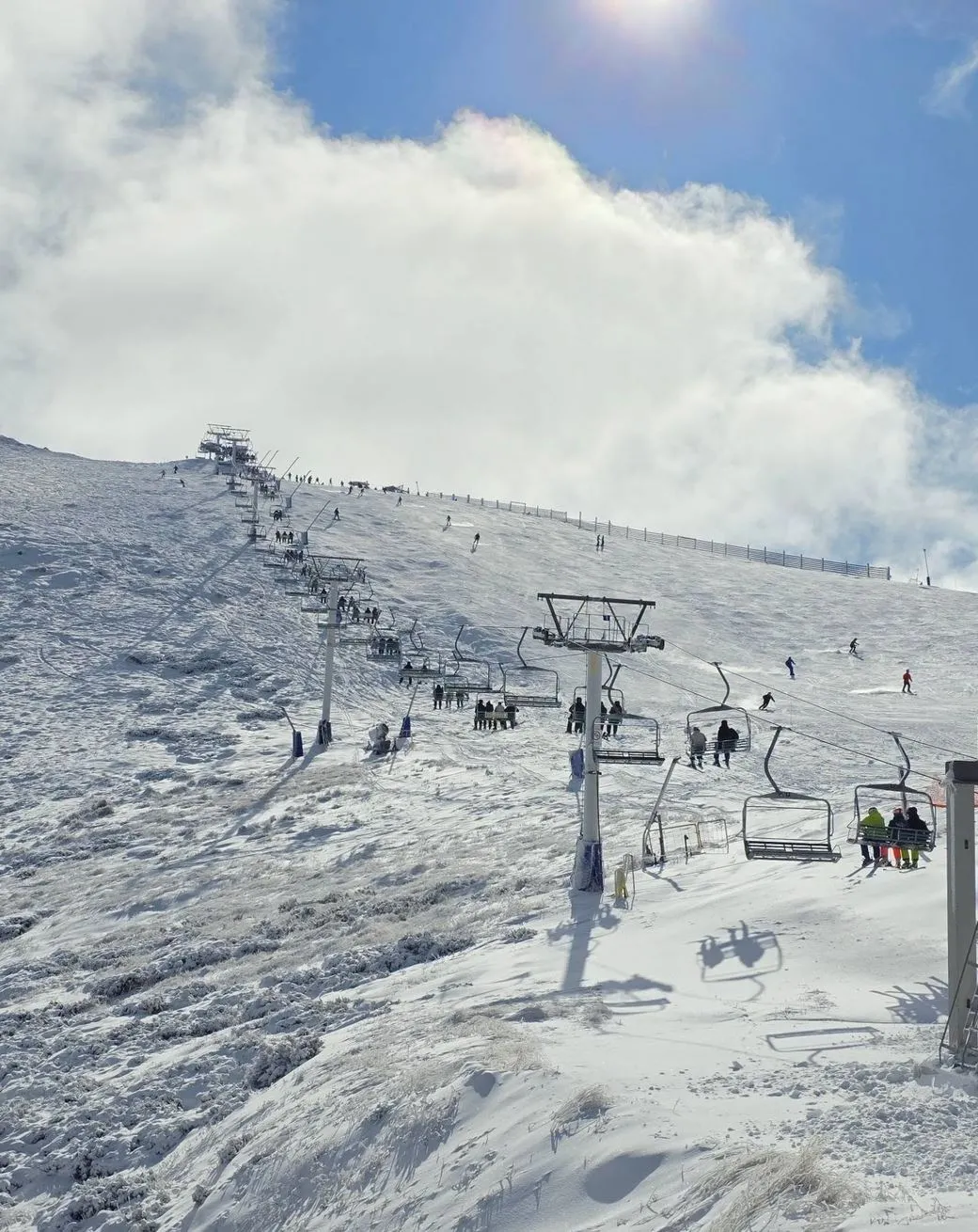
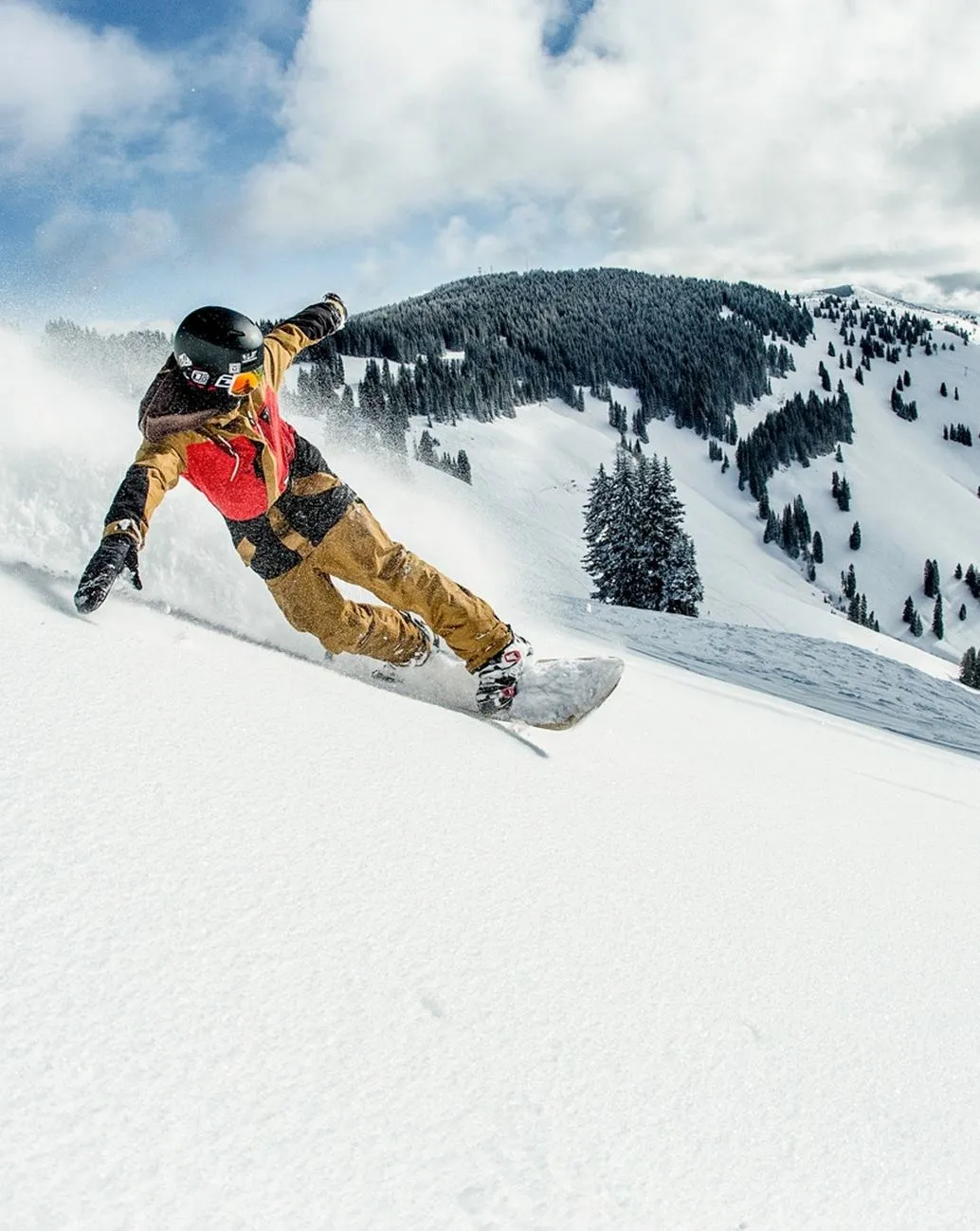
If you want the safest bet for deep powder and fully open ski fields, July is your month. Snowfall typically hits its stride around the first or second week, with most alpine resorts — like Thredbo, Perisher, Mt Buller, Falls Creek, and Hotham — operating at full capacity.
Nearby tour destinations include the Snowy Mountains and Kosciuszko National Park, both stunning during peak snow.
Why July Rocks:
- Best overall snow depth
- Groomers and off-piste are both in good condition
- Most skiable terrain is open
- Ski school and kids’ programs are in full swing
- Mid-week snow dumps are common
Why It Can Be a Pain:
- School holidays (read: packed like sardines)
- Premium pricing for lifts and accommodation options
- Long lift queues if you hit peak weekends
My Tip:
Go mid-July but skip the NSW and VIC school hols (usually early July). Aim for the third week if you want fresh powder with fewer kids in onesies clogging the lift lines. You’ll still enjoy plenty of snow and some unforgettable experiences.
If you’re heading from Melbourne, consider adding a Wayoutback Tours winter extension to your road trip — they occasionally run detours through snowy regions like Mt Buller and beyond.
Looking for a fuss-free getaway? A Mt Buller tour package is a brilliant way to bundle lift passes, transport, and gear hire — no need to wrangle it all yourself.
August: Cold, Consistent and Quiet(er)
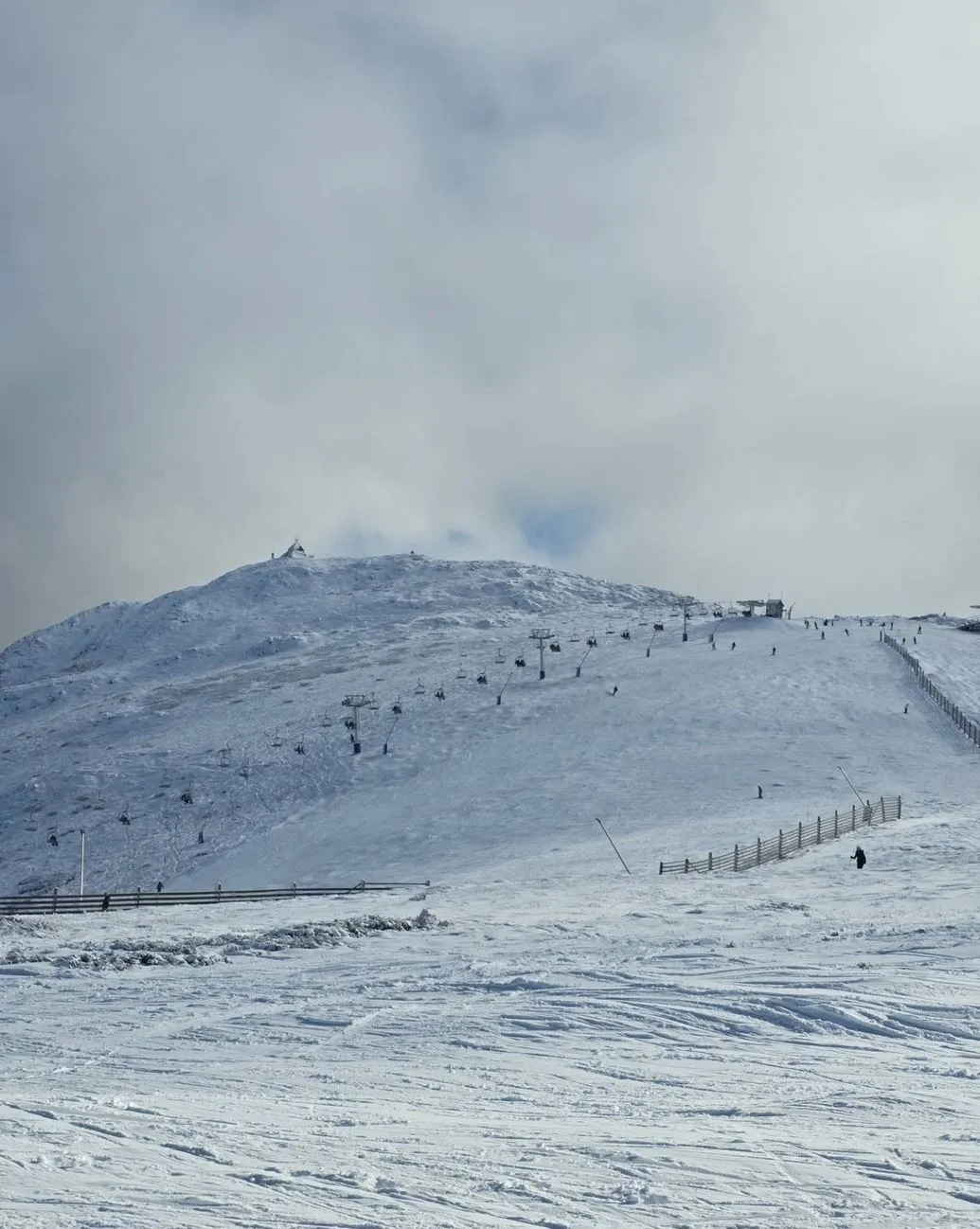
August is often the sweet spot — consistent snowfall, colder months setting in, and crowds thinning out after the holidays. If you’re after dry, chalky snow and cooler overnight temps that keep the base firm, August is a winter wonderland.
Pros:
- Reliable snow base
- Colder nights = good snow retention
- Fewer families, more experienced skiers
- Late August can deliver surprise heavy snowfall
Cons:
- It can be icy early mornings
- Slight risk of early thaw if the weather warms up mid-month
Local Hack:
Mid-to-late August is when I chase powder stashes at Hotham — the powder capital of Victoria. The higher elevation holds snow longer, and the terrain suits riders of all experience levels.
From Jindabyne, you can take a quick day trip to Charlotte Pass or join Wildlife Tours for a guided adventure with plenty of snowshoeing and scenic detours built in.
June: The Gambler’s Month
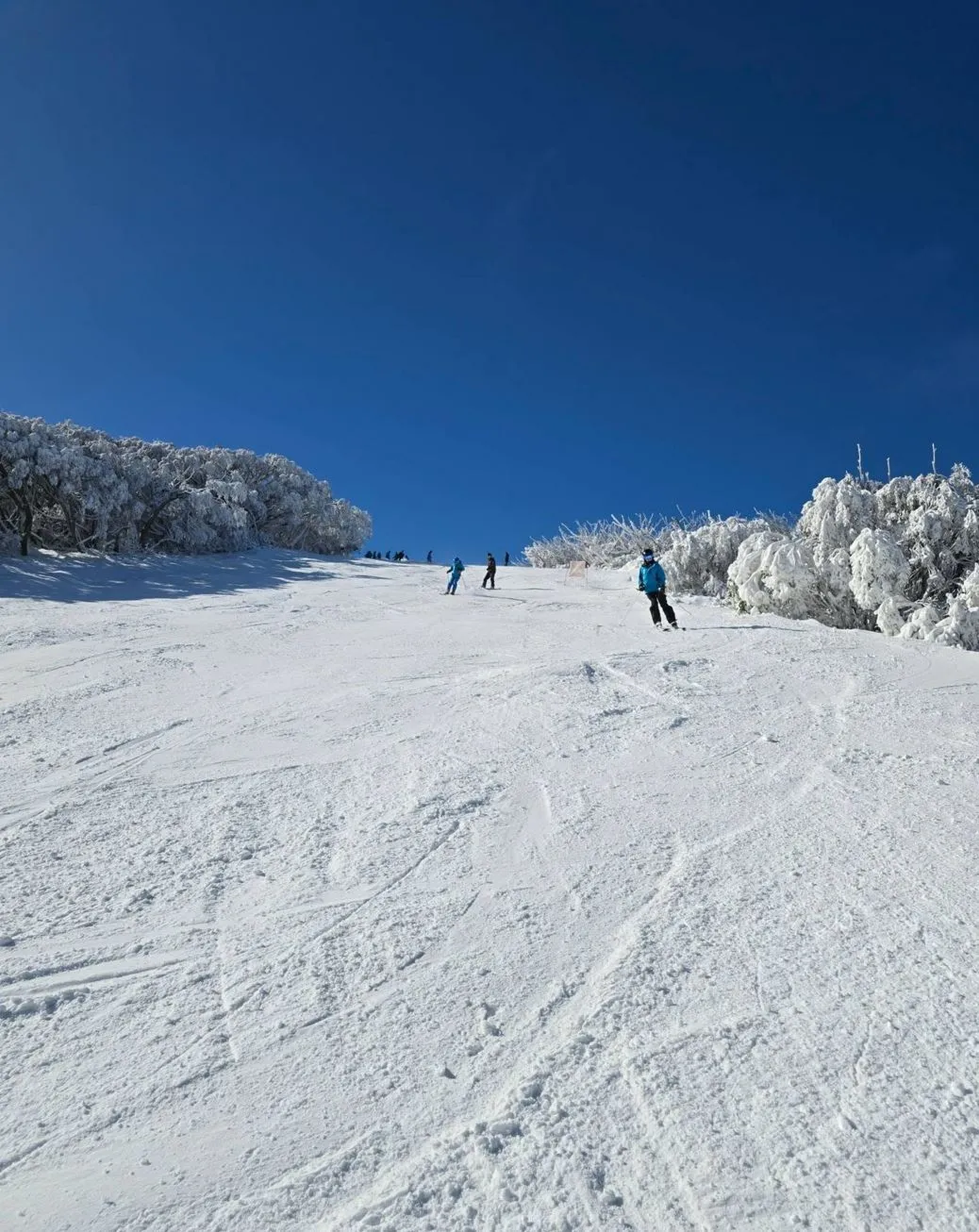
Ah, June — the wildcard. Some years it starts strong, other years you’re skiing on grass with a smile and a lot of wishful thinking. Opening weekend (usually the Queen’s Birthday long weekend) is more of a party than a powder day.
Good For:
- Early bird discounts on lifts and gear hire
- Quiet slopes (because half of them aren’t open)
- A cheeky long weekend with mates
- Fashioned snow and snowmaking on beginner ski slopes
Not So Good For:
- Unreliable snow
- Limited terrain
- Snowmaking may be your only salvation
My Take:
Unless you’re local or love the buzz of opening weekend festivities, June is best left to the diehards and the hopeful. Keep your eye on the forecasts — a cold front can change everything overnight and give you that dusting of snow you’ve been craving.
Autopia Tours sometimes combines alpine drives with wintery food and wine stops in June — not full-on skiing, but a cracking way to dip into winter.
If you’re keen to catch early snow without the stress, check out a Mt Buller tour package departing Melbourne — some even include snow play options for non-skiers.
September: Slush, Sun & Spring Turns
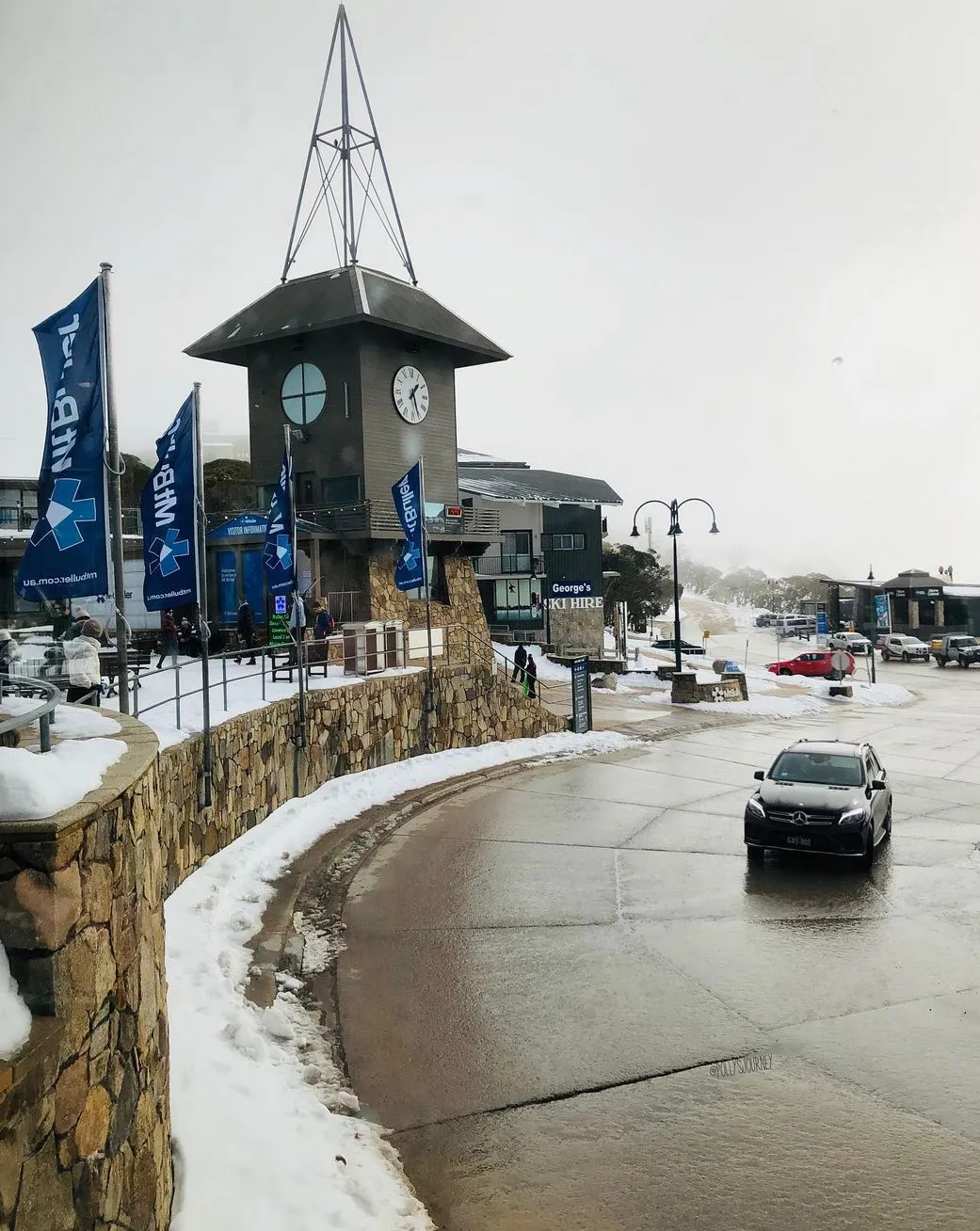
By September, things are warming up and the snowpack starts to melt. But there’s still fun to be had — especially if you’re into snowshoeing trips, sunny lunches with a hearty meal at on-mountain cafés, or teaching the kids in more forgiving conditions.
What You’ll Love:
- Warm days, soft snow, no frostbite
- Cheap lift passes and accommodation options
- Terrain parks are usually in top shape
- Good for beginners, families, and casual snow activities
What to Watch:
- Snow can disappear quickly
- Afternoon slush and sticky turns
- Some lifts and runs may close early
My Go-To:
Spring skiing at Perisher with a tinnie in the backpack and no rush to get first lifts. There are still plenty of options for outdoor activities and snowshoe tours in national parks nearby.
If you’re coming from Canberra, it’s worth doing a loop through the Snowy Valleys region — think quaint lodges, a dusting of snow, and an intimate experience with fewer crowds.
A Mount Buller tour package in spring is also great value — perfect for beginners wanting sunny days, gentle slopes, and fewer crowds on the lifts.
October: The Snow Unicorn
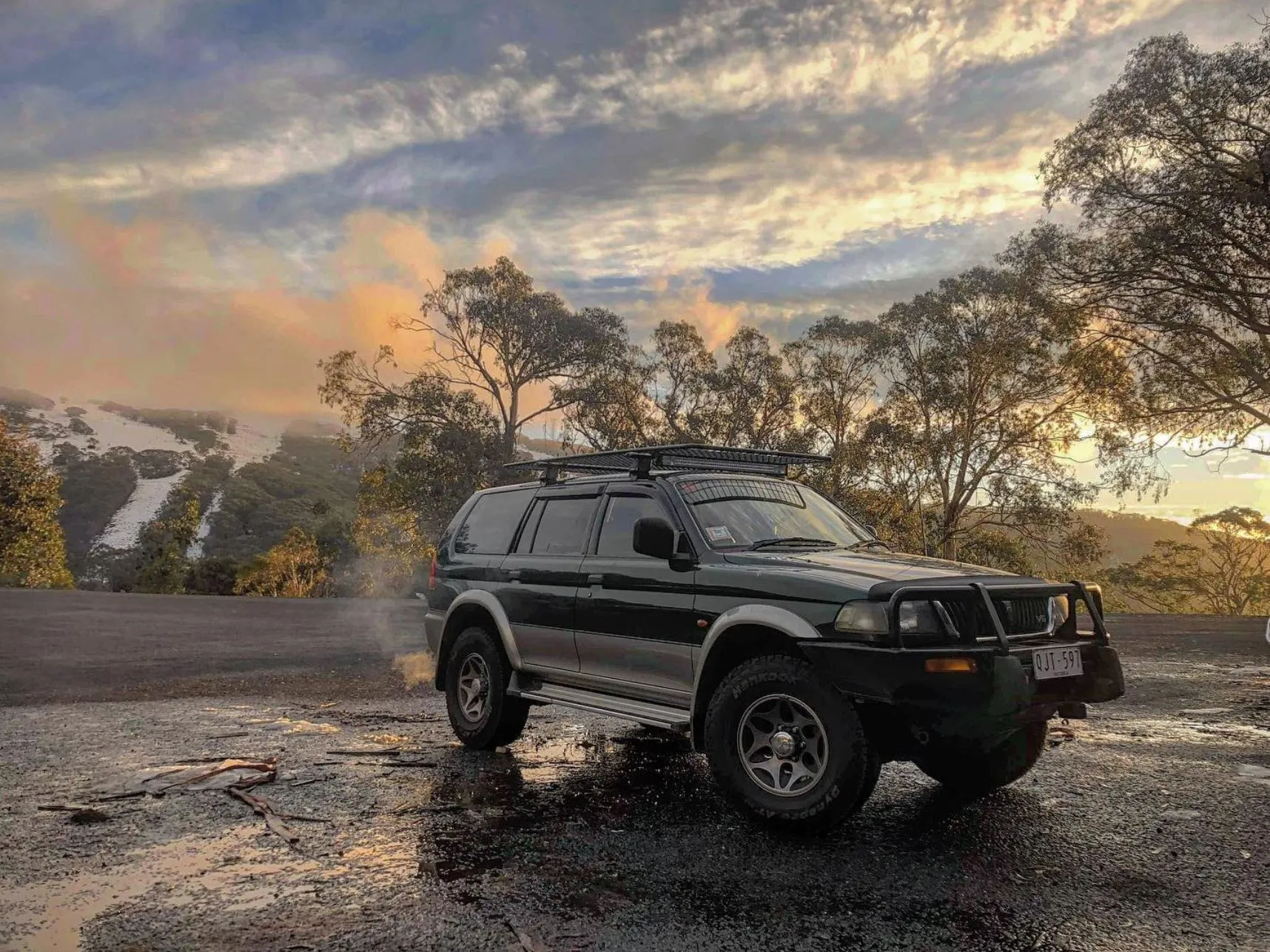
Yes, I’ve skied in October. No, I don’t always recommend it. You might get lucky with a late dump or a snowstorm that revives the back bowls for one final lap. But most resorts are shutting up shop, and you’re rolling the dice hard.
Pros:
- Almost no crowds
- Fun for novelty value
- Backcountry can surprise you
- Perfect conditions for an intimate experience on the slopes
Cons:
- Minimal grooming, patchy cover
- Most resorts are closed or winding down
- Not ideal for beginners or planners
Still, if you’re adventurous and fine with throwing the plan out the window, Wayoutback Tours has been known to extend its alpine departures depending on snowfall.
So, What Month Really Has the Best Snow?
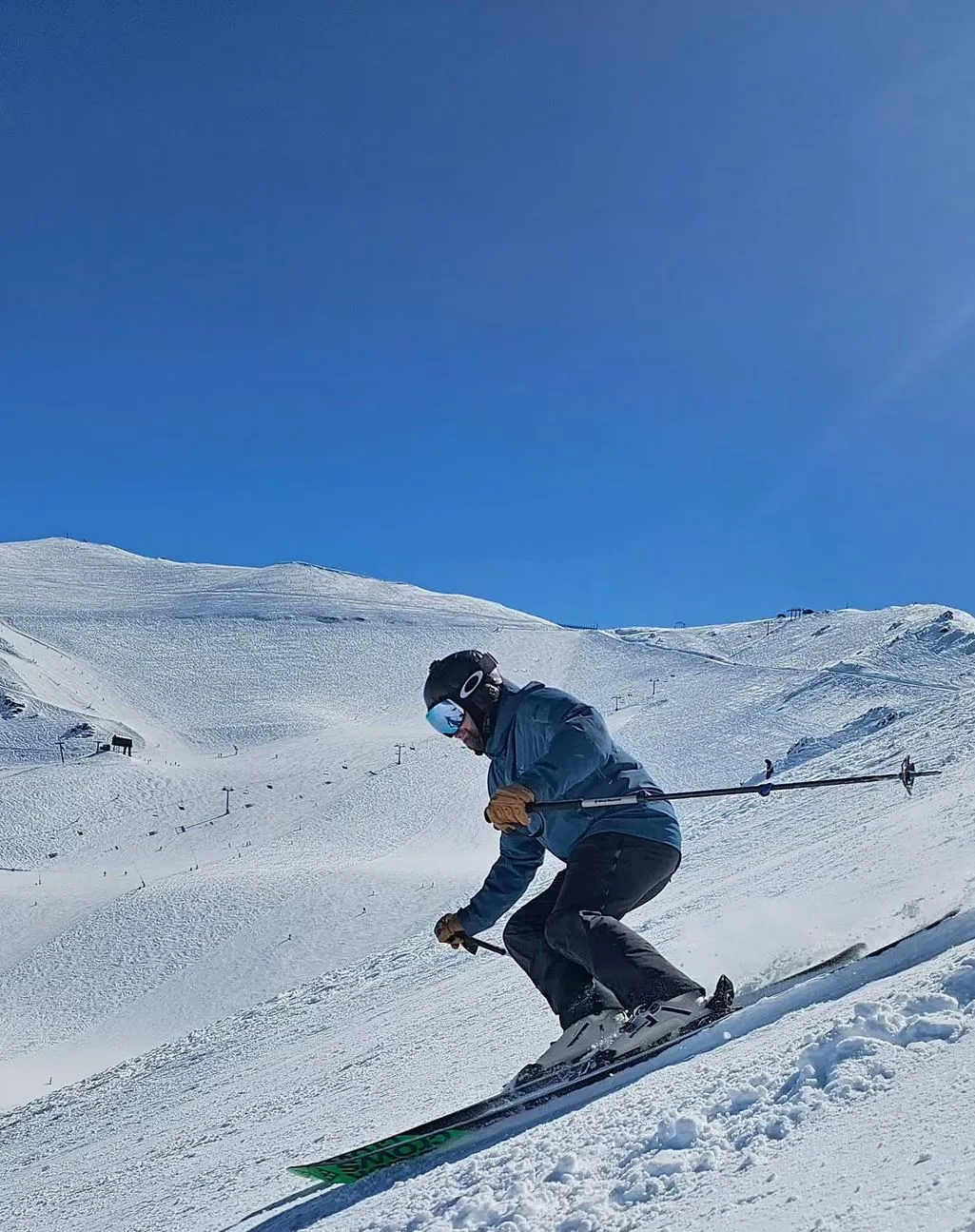
If you want safe bets: July is your best friend.
If you want balance: August wins for consistent snowfall and sanity.
If you want budget and bluebird days: September all the way.
For me? Late August has delivered the most outstanding facilities, fresh powder, a wide range of ski options, and fewer lift lines over the years. But I’ve also had 40cm powder days in September and been rained on in July. That’s Aussie snow for you — unpredictable, chaotic, and still totally worth it.
Final Tracks
Australian snow is a fickle beast. Some years it’s all-time, others it’s patchy with light snowfall and occasional snowfall teasing you along. The key is planning for your priorities — powder days, family time, budget, or springtime snowshoeing — and being ready to pivot when the winter weather forecast shifts.
And don’t forget:
- The alpine region is a world away from the tropical climate of coastal cities — pack winter gear accordingly
- Snowy regions offer stunning views, glacial lakes, and rugged landscapes worth exploring
- Even if the snow gods don’t deliver, there’s always a hot chocolate by the fire, a scenic drive through snow gums, or a walk around the closest snow trail for that snowy landscape fix
Oh, and pack layers. Always. The snow might be good, bad, or slushy — but the weather will definitely surprise you.
Got a favourite Aussie snow month or resort hack? Drop it in the comments — I’m always updating my maps and adding to the yarns.
FAQ
What’s the busiest month at Australian ski resorts?
July — especially the school holidays. It’s the peak season for a reason: snow depth and terrain coverage at popular resorts like Thredbo and Perisher are usually at their max.
Can you ski in June in Australia?
Technically yes, but conditions vary. Resorts rely on snowmaking early in the snow season, especially in the alpine region’s lower altitudes.
Is August colder than July in the mountains?
Yes. August is one of the coldest months in the alpine region, which means better snow preservation and more reliable powder.
When is the cheapest time to go skiing in Australia?
September. You’ll score deals on lift tickets, rentals, and accom — perfect for those chasing a snowy winter adventure without breaking the bank.
What resorts stay open the longest into spring?
Perisher and Mt Buller often extend their ski season into October if there’s abundant snowfall and the weather conditions allow.